


Frequently Asked Questions
Common questions about GROX Capsules
What does GROX actually do?
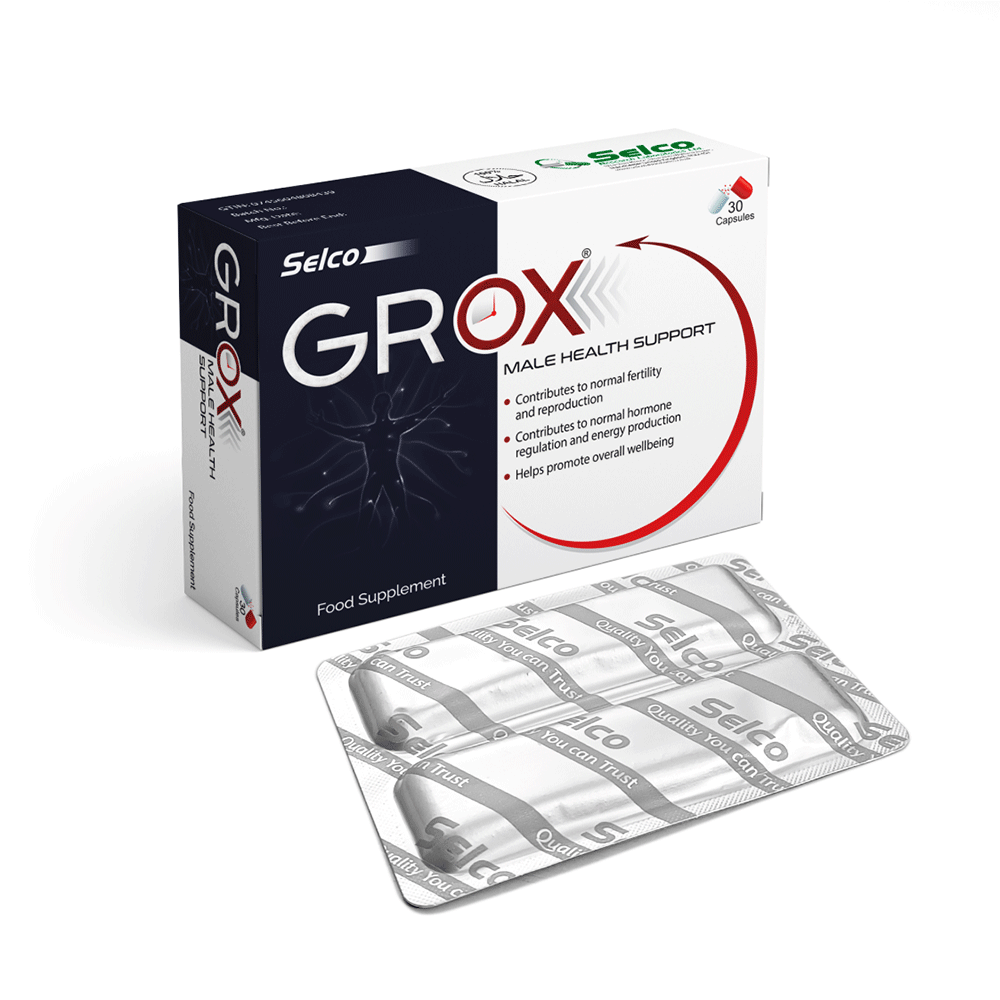
The authorised health claims come from its zinc and B vitamins. Zinc contributes to normal fertility and reproduction, to the maintenance of normal testosterone levels in the blood, and to normal DNA synthesis. The B vitamins contribute to normal energy-yielding metabolism and to the reduction of tiredness and fatigue.
What about the tribulus, ginseng, ginkgo and saffron?
These are botanical extracts included in the formulation. Health claims for botanicals are currently held under review across the UK and EU, so we're not permitted to attach specific benefits to them — we list them as ingredients and let the zinc and B vitamins carry the claims. We'd rather be straight with you about that than imply something we can't stand behind.
How long before I notice anything?
Nutrient status changes gradually. If you're low in zinc or B12, it typically takes several weeks of consistent daily use before any difference in energy is noticeable. GROX is a daily supplement rather than something that works dose by dose.
Is it suitable for vegetarians or vegans?
No. The capsule shell is gelatin from a halal bovine source. GROX is halal but not vegetarian or vegan.
Can I take it with medication?
Ginkgo biloba can affect blood clotting, so if you take warfarin, clopidogrel, aspirin or any other anticoagulant or antiplatelet medicine, speak to your GP or pharmacist before taking GROX. The same applies if you have surgery coming up. Ginseng may also interact with diabetes medication.
Can I take it alongside a multivitamin or a zinc supplement?
Check the labels first. GROX provides 10mg of zinc, which is 100% of the NRV, and stacking it with another zinc-containing product could take you above the safe upper level. Long-term excess zinc interferes with copper absorption.
How should I take it?
One capsule daily with a meal, taken consistently. No cycling needed.
Can't find the answer you're looking for?
Message us and we'll answer what we can. For questions about fertility investigations or treatment, your GP is the right place to start.